
Getting Started with Pickleball Drills

Engaging in pickleball drills can significantly enhance a beginner’s skill set, focusing on paddle handling, footwork, and shot accuracy.
Understanding the fundamental techniques and having the right equipment are crucial for effective practice.
Understanding the Basics of Pickleball
Understanding the basics of pickleball is vital for any beginner.
This sport combines elements of tennis, badminton, and ping-pong, played with a paddle and a perforated polymer ball.
Knowing the basic rules, like how serves must be underhand and players should aim to keep the ball in play, is essential.
New players can benefit from drills like the “tip to grip” or “paddle bump” that improve hand-eye coordination and control, recommended for those just starting out.
Developing consistency in returning volley shots or dinks near the net improves overall gameplay.
Ladder drills help in enhancing agility, enabling players to move quickly across the court, setting the stage for better shot placement.
Starting with these foundational techniques not only builds skill but also confidence.
Essential Equipment for Practice
Having the right pickleball equipment is crucial for beginners aiming to practice effectively.
A good paddle, lightweight and easy to handle, is necessary to learn basic control. Beginners should choose a paddle that feels comfortable in their hands.
Balls designed specifically for pickleball, usually with a wiffle-like design, are essential for practice.
Proper footwear is important for safe movement on the court. Shoes with good grip and support prevent slips and help in maintaining quick footwork during drills.
Investing in basic protective gear, like sunglasses and hats, helps shield against sun glare, enhancing focus during outdoor play. These items together form a beginner’s toolkit for starting pickleball practice confidently.
Serving Techniques and Practices
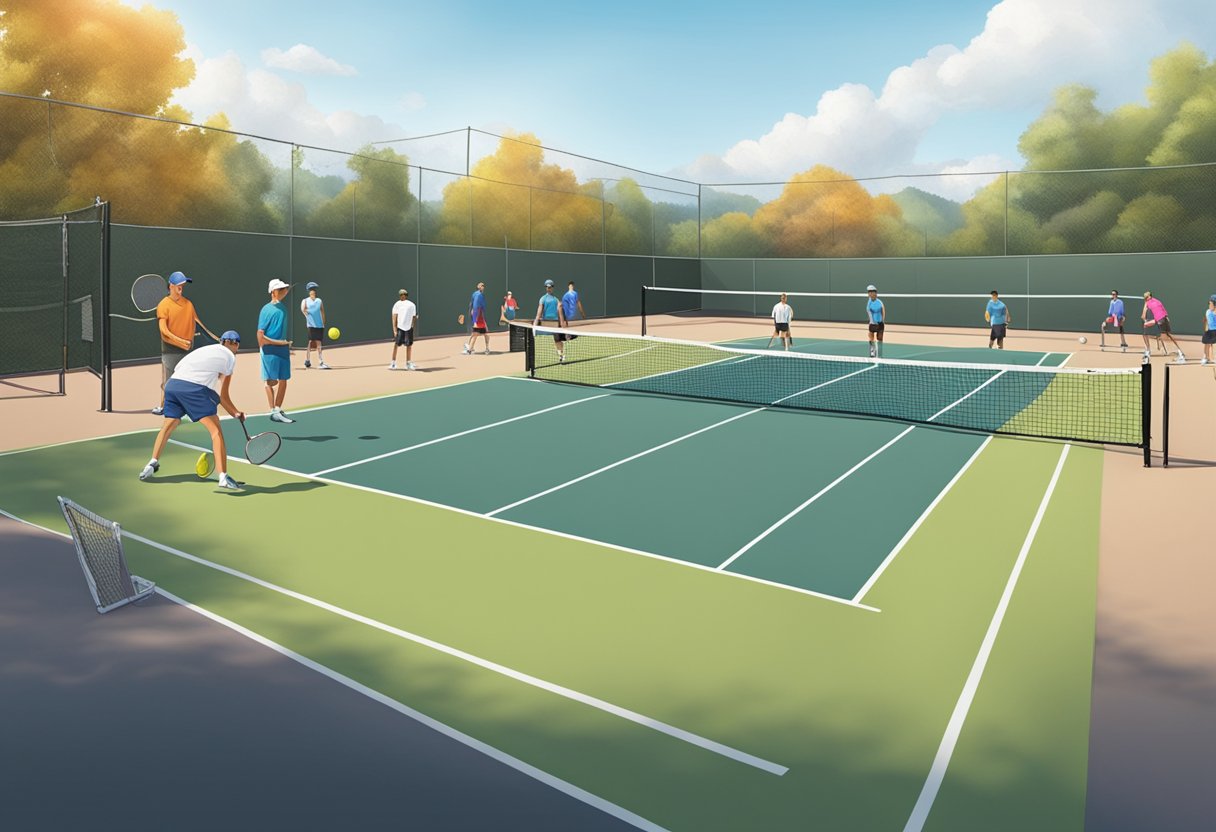
For beginners, developing a strong serve in pickleball is crucial to gaining control and setting the game’s pace. Key focuses are mastering the serve motion and ensuring consistency in delivery.
Mastering the Serve
A legal pickleball serve is performed underhand, targeting the diagonal service court. Beginners should first focus on their grip and stance to enhance control and precision.
Using a continental grip enables players to switch between different serve types, such as the power serve and the slice serve, without changing hand positions.
Practicing with shadow serves, where players mimic the serving motion without hitting the ball, helps build muscle memory.
Emphasizing follow-through ensures more controlled and accurate results. Including targets or obstacles on the court can improve aiming skills, which is essential for developing different serve styles like the slice serve.
Developing a Consistent Serve
Consistency in serving is achieved through repetition and practice.
Beginners can adopt the serve repeats drill, where they repeatedly serve to the same spot, refining their aim and power. Precision is enhanced by varying the serve’s height and speed while maintaining the same target.
Feedback is vital for improvement. Recording serves on video or practicing with a partner who retrieves the balls can provide insights into areas that need refinement.
Players should track their progress, noting improvements in consistency and reduced faults over time. This structured, feedback-driven approach accelerates skill development, fostering more reliable serve performance.
Developing Forehand and Backhand Skills
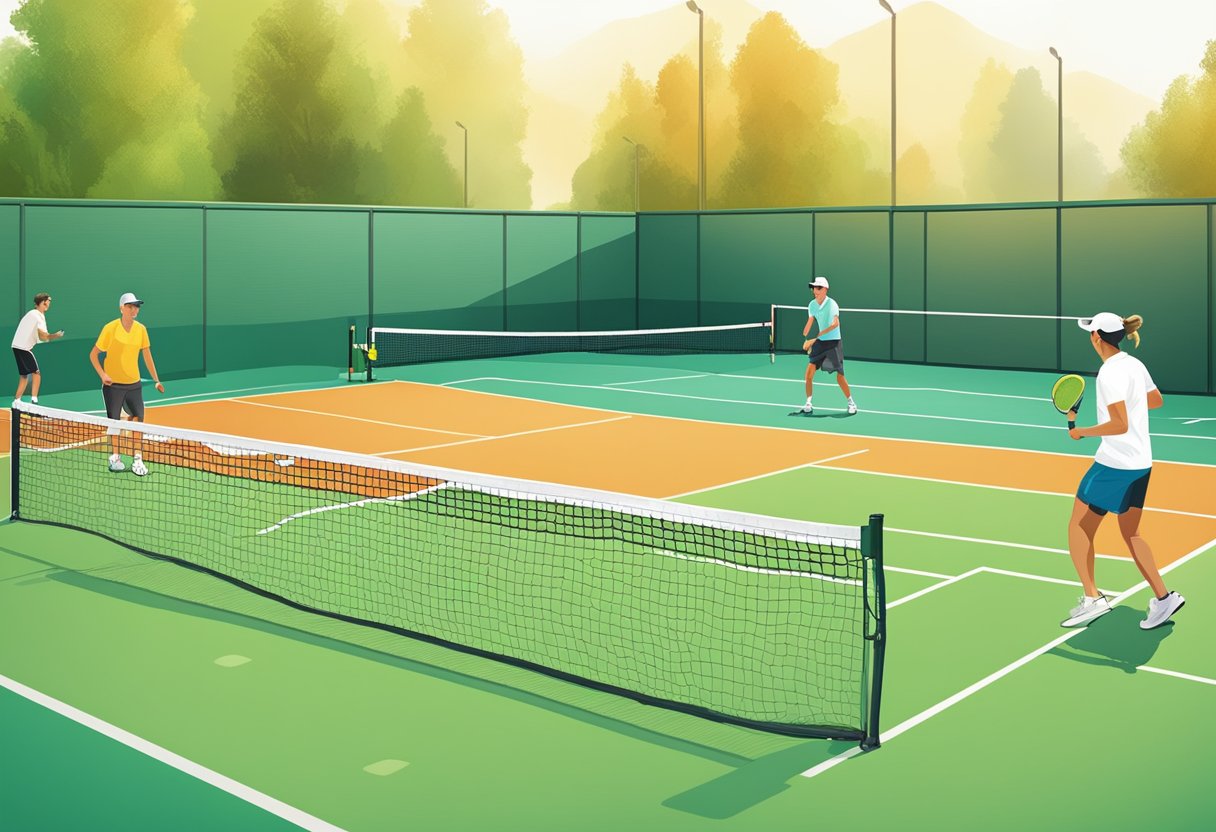
Mastering forehand and backhand shots is essential for beginners in pickleball. These fundamental skills help in enhancing control, boosting hand-eye coordination, and improving overall game performance.
Forehand Shots and Drills
Forehand shots are crucial for players who want to dominate the game with power and precision. To develop a strong forehand, players should focus on their stance and grip. It’s vital to hold the paddle correctly, with a firm yet relaxed grip to maintain control.
A simple yet effective drill is practicing gentle dinks with a partner. Have them stand at the opposite side of the net while players perfect their forehand shots. This drill strengthens precision while minimizing errors.
For variety, players can try hitting the ball against a wall. This solo activity allows them to practice different angles and speeds. It’s a fantastic way to gain confidence and improve consistency in strokes.
Improving Your Backhand
The backhand can be challenging but mastering it opens up more attacking options. A good backhand starts with proper positioning. Players should make sure their feet are shoulder-width apart for balance, and their body is slightly angled.
Backhand drills include crosscourt exchanges with a partner. Standing on diagonal sides of the court, they can practice hitting the ball to each other’s backhand area. This activity improves accuracy and increases familiarity with various shot depths.
Another technique involves using targets. Placing targets in the court during practice and aiming to hit them helps players improve precision. Consistent practice enhances hand-eye coordination, boosting their effectiveness during matches.
These strategies and exercises are crucial for developing a solid foundation in both forehand and backhand techniques.
Ball Control and Accuracy
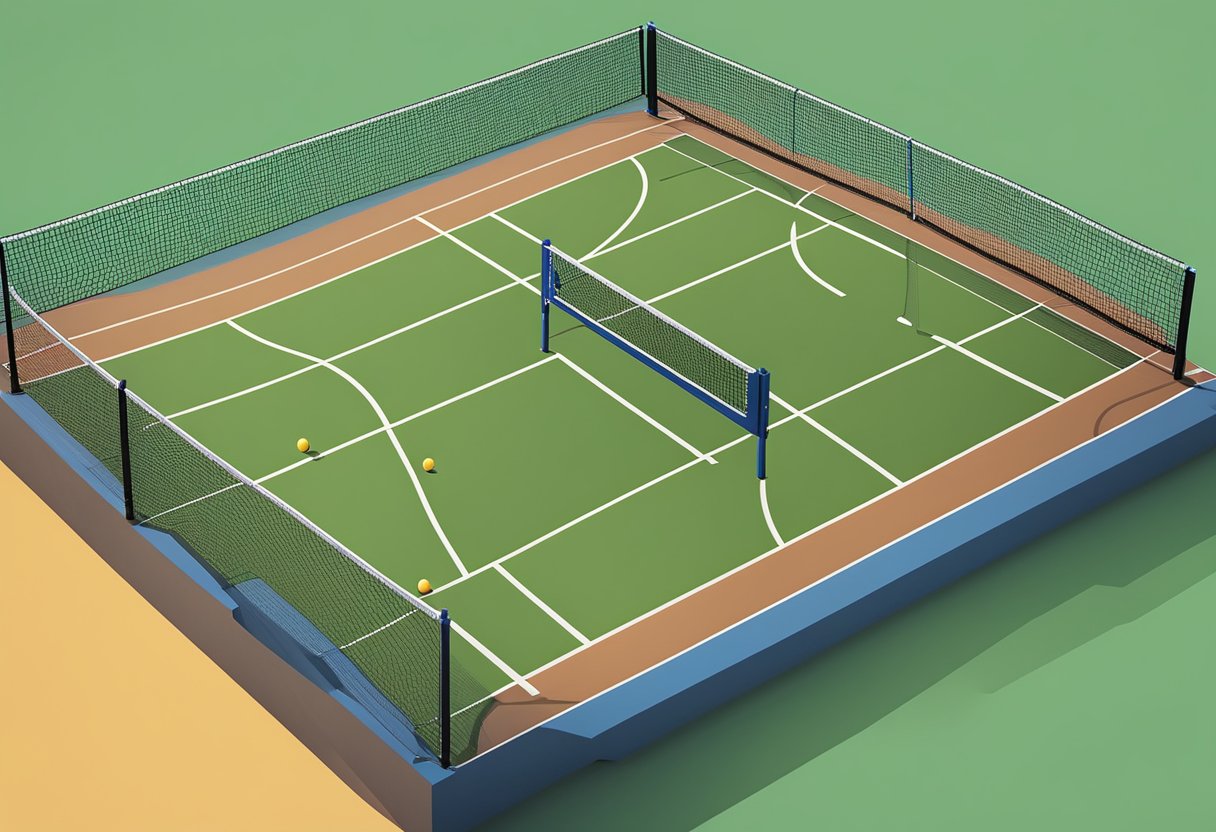
Mastering ball control and accuracy in pickleball is essential for beginners seeking to improve their game.
Key skills such as dinking techniques, executing drop shots, and precision in ball placement can greatly enhance performance and build confidence on the court.
Dinking Techniques
Dinking is an important strategy in pickleball, especially within the non-volley zone. By gently tapping the ball over the net, players can maintain control and force opponents into difficult positions.
Focus on keeping the wrist relaxed and using a soft touch. Practicing dinks allows players to maintain ball control while also improving accuracy.
A common drill involves standing at the net and aiming to land the ball just over the net into the opponent’s non-volley zone.
Consistent practice of this skill helps build precision and control.
Executing the Drop Shot
The drop shot is another essential move for maintaining control. It requires skillful execution to land the ball softly in the opponent’s non-volley zone.
To perform this shot, players must use light wrist action and control the paddle angle to send the ball just over the net. Beginners should practice this technique by setting targets close to the net to aim their shots accurately.
Consistently practicing drop shots enhances touch and positioning, making it difficult for opponents to return the ball effectively.
Precision Drills for Ball Placement
Developing precision in ball placement is vital for both offensive and defensive play. One effective drill involves aiming shots at specific targets on the court. Mark areas with cones or chalk to focus on targeting specific spots during practice.
This exercise not only refines accuracy but also trains players to anticipate opponents’ shots. By consistently varying shot depth and angle, players enhance their strategic capabilities.
Additionally, practicing with partners helps simulate match conditions, allowing for real-time adjustments to improve accuracy and control.
Court Movement and Footwork Fundamentals
To enhance pickleball skills, beginners should focus on mastering court movement and footwork. Key areas include improving movement speed, agility, and understanding court positioning. These elements will help players better transition on the court and anticipate opponents’ shots.
Improving Footwork and Movement
Mastering footwork is essential for any pickleball player looking to elevate their game.
The sideways shuffle and cross-step drills are invaluable in enhancing lateral movement, aiding players in quickly reaching shots.
The split-step drill is another crucial exercise that improves reaction time, allowing for swift directional changes.
Incorporating ladder drills is an excellent choice for beginners.
These drills help develop quick feet and agility, crucial for maintaining balance and stability during fast-paced rallies. Consistent practice of these drills can significantly boost both speed and coordination on the court.
Transition and Court Positioning
Understanding court positioning allows players to optimize their strategies during each rally.
Effective use of the transition zone can help players manage their space on the court more efficiently. By mastering transition zone blocking, players can effectively disrupt opponents’ shots and create opportunities for winning plays.
Positioning oneself correctly not only aids in defense but also enhances offensive moves. It’s important to stay alert and ready to adapt to the shifting dynamics of the game.
Players can greatly benefit from practicing positioning drills that mimic real game scenarios, ensuring they are well-equipped to handle various types of plays during a match.
Enhancing Gameplay Through Drills
Practicing specific pickleball drills can significantly improve one’s strategy and gameplay. Focusing on solo skills, partner coordination, as well as offensive and defensive tactics enhances consistency and prepares players for competitive play.
Solo Drills for Skill Enhancement
Solo drills are a fantastic way to focus on individual skills such as hand-eye coordination and paddle control.
The paddle bump drill helps players get a good feel for their paddle. By bouncing the ball on the paddle’s face, players improve their control and ball handling.
Another effective pickleball drill is the ball drop. During this drill, players work on their reaction time by dropping the ball and quickly moving to hit it before it bounces twice.
Solo practice like this builds consistency and accuracy in basic movements and shots, forming a strong foundation for any player.
Partner Drills to Boost Reflexes and Coordination
Partner drills provide an enjoyable way to boost reflexes and coordination.
The dink rally is essential, where two players stand at the no-volley zone line, gently hitting the ball back and forth. This exercise emphasizes control and teaches players the art of maintaining a soft touch during a game.
Volley catch is another partner drill focusing on reflex improvement. Players stand close to the net and volley the ball without letting it hit the ground.
Such drills are crucial for enhancing quick decision-making and teamwork, preparing players for the fast-paced nature of competitive play. Incorporating partner drills increases the effectiveness of pickleball training by fostering real-time interaction that mirrors game scenarios.
Drills for Offensive and Defensive Strategies
Mastering both offensive and defensive strategies is vital for comprehensive pickleball skills.
The third-shot drop drill is key to transforming defense into offense. Players practice accurately dropping the ball into the opponent’s no-volley zone, setting up a positional advantage.
Another important drill is the block volley. This defensive drill aids players in handling powerful shots from opponents, focusing on softening the blow and returning the ball with control.
Through practicing these drills consistently, players learn to adjust their tactics based on the game’s flow, reinforcing their strategic edge on the court. Addressing both offensive and defensive capabilities ensures readiness for all aspects of advanced drills in matches.
Frequently Asked Questions
Beginners often have a lot of questions about how to get started with pickleball drills. This section covers practical advice on drills you can perform at home, techniques for serving, and the importance of basic skills for new players.
What are some simple drills for beginner pickleball players to do at home?
Beginner pickleball players can start with footwork exercises and wall volleys.
Practicing paddle grips and shadow swings can also help improve coordination and build confidence.
Focusing on these basics allows them to gain a better sense of control and positioning on the court.
How can a beginner practice serving in pickleball effectively?
Practicing serves can be done by setting up targets on the opposite side of the court.
Beginners should focus on developing a consistent serving motion and work on both power and placement. Using visual markers or cones helps in practicing accuracy, which is essential for game situations.
Are there any effective pickleball drills that one can do alone?
Yes, solo drills such as wall volleys and mirror exercises are quite effective. They help players work on timing and control without needing a partner.
Wall drills help mimic actual game conditions, allowing players to practice volleys and dinks on their own.
What are the best ways for seniors to get started with pickleball drills?
For seniors, it’s important to start with low-impact drills that focus on agility and balance.
Exercises like gentle footwork drills and hand-eye coordination activities are beneficial. Ensuring a proper warm-up and focusing on flexibility can help prevent injuries and enhance performance.
Which basics should new players focus on during their first pickleball training session?
New pickleball players should concentrate on mastering the grip and learning basic strokes like the serve, volley, and dink.
Understanding court positioning and getting comfortable with movement are also important.
Emphasizing these fundamentals lays a solid foundation for advanced techniques later.
How does the 10 second rule apply to pickleball practice for beginners?
The 10 second rule in pickleball refers to the time the serving player has to serve the ball.
For beginners, incorporating this rule into practice helps simulate match conditions and improve decision-making under pressure. It’s a good habit to maintain a steady and prepared stance before serving.



Leave a Reply