

Pickleball strategy for beginners focuses on mastering fundamental techniques, court positioning, and shot selection to build a solid foundation for gameplay. By understanding the basics of strategy, such as the importance of the third-shot drop and the non-volley zone, beginners can develop a strategic mindset that will elevate their performance and enjoyment of the game.
This post will dive into the essential pickleball strategies tailored specifically for beginners, providing valuable insights to help new players navigate the court with confidence and tactical acumen. Whether you’re honing your singles or doubles play skills, mastering these strategic fundamentals will empower beginners to approach the game with clarity and purpose, setting the stage for a fulfilling pickleball journey.

Table of Contents
Affiliate Disclaimer
As an Amazon Associate I earn from qualifying purchases. As an affiliate, we also get commissions for purchases made through links on this website from other third parties.
Pickleball Strategy for Beginners
Pickleball is a fun and exciting sport that players of all ages and Pickleball skill levels can enjoy. For beginners, it is important to understand the basic strategies of the Pickleball game to improve their chances of winning. This section will discuss some key Pickleball strategies for beginners to focus on and improve their game.
Learn the basics about What Pickleball is and the origins of the sport.
Positioning and Movement
One of the most important aspects of pickleball strategy is positioning, movement, and Pickleball footwork. Players should always be in the right position to make the shot and move quickly to cover the court.
Beginners should focus on maintaining a ready position, a balanced stance with the knees slightly bent and the body weight evenly distributed.
This position allows players to quickly move in any direction and be ready for the next shot.
Shot Selection and Placement
Another important aspect of pickleball strategy is the shot selection, placement, and Pickleball serve.
Beginners should focus on hitting the ball with the right amount of power and placing it in the right spot on the court. This requires a good understanding of the different types of Pickleball serves and shots, such as the forehand, backhand, and overhead smash.
Players should also know the opponent’s position on the court and try to hit the ball where they are not.
Understanding the Non-Volley Zone
The non-volley zone, also known as the kitchen, is an important part of the pickleball court that beginners should be aware of.
Players cannot hit the ball in the air while standing in the non-volley zone, within seven feet of the net.
This means players must be strategic about their shot selection and placement and keep the ball low and away from the opponent.
Playing the Soft Game
Finally, beginners should focus on playing the soft game, which involves hitting the Pickleball ball with less power and more finesse. This requires good control and placement and can be an effective strategy against opponents focused on power shots.
Players should also be aware of the opponent’s weaknesses and try to exploit them by playing to their strengths.
In conclusion, pickleball strategy for beginners involves a combination of positioning and movement, shot selection and placement, understanding the non-volley zone, and playing the soft game.
By focusing on these key strategies, beginners can improve their game and enjoy the sport even more.
Types of Play: Singles vs Doubles
Pickleball can be played either as singles or doubles.
In singles, each player plays alone on the court, while in doubles, two players are on each side.
The strategies for singles and doubles are different, and each requires a different approach to be successful.
Singles Pickleball Strategy
In singles pickleball, each player has to cover the entire court, which requires a lot of physical stamina. Therefore, the strategy for singles is to focus on keeping the ball in play and avoiding unforced errors.
Understand how Pickleball helps with Cardio Fitness.
Players should aim to hit the ball deep with the Pickleball Paddle and to the corners of the court, forcing their opponent to run and tire them out.
A good serve is also essential in singles, as it can give the serving player an advantage and set the tone for the rest of the match.
Doubles Pickleball Strategy
In doubles pickleball, communication and teamwork are crucial.
Players should communicate with each other to coordinate their movements and cover the court effectively.
The strategy for doubles is to aim for the middle of the court, which is the weakest spot for the opposing team.
Players should also try to hit the ball low over the net, making it harder for their opponents to return. In doubles, the serving team should also try to win the point outright with a strong serve or a well-placed return.
Communication and Teamwork in Doubles
Players should also know each other’s strengths and weaknesses and adjust their strategy accordingly. For example, if one player has a stronger backhand, they should cover that side of the court more often.
In conclusion, singles and doubles pickleball require different strategies and approaches to be successful. In singles, players should focus on physical stamina and avoiding unforced errors, while in doubles, communication and teamwork are crucial.
By understanding the different types of play and developing the right strategies, players can improve their game and enjoy the sport to its fullest.
Advanced Techniques and Tactics
Pickleball is a game that requires a combination of skill, strategy, and tactics. As players become more advanced, they must add more complex techniques and tactics to their game.
This section will cover some advanced techniques and tactics to take your game to the next level.
Executing the Third Shot Drop
The third shot drop is an essential technique in pickleball that can help players gain control of the game.
This shot is typically used after the serve and return, and it involves hitting the ball softly so it drops just over the net and lands in the kitchen.
Players must combine touch and finesse to execute the third shot drop. They need to hit the ball with a smooth, controlled motion so it lands softly in the opponent’s court.
This shot can be challenging to execute, but with practice, players can master it and use it to their advantage.
Driving the Ball
Driving the ball is an essential technique in pickleball that can help players gain control of the game. This shot involves hitting the ball hard and fast so it travels quickly across the court.
Players need to use a combination of power and accuracy to execute the drive shot.
They need to hit the ball quickly and forcefully so it travels quickly across the court and lands in the opponent’s court. This shot can be risky, but if executed correctly, it can be a powerful weapon in a player’s arsenal.
The Erne and Around-the-Post Shots
The Erne and Around-the-Post Shots are two advanced shots that can help players gain an advantage over their opponents.
The Erne shot involves running to the side of the court and hitting the ball before it bounces, while the Around-the-Post Shot involves hitting the ball around the net post.
Players must have excellent footwork in Pickleball, timing, and hand-eye coordination to execute these shots. These shots can be challenging to execute but can be a game-changer if done correctly.
In conclusion, these advanced techniques and tactics can help players take their pickleball game to the next level.
Players can gain an advantage over their opponents by mastering these shots and winning more games. However, it is essential to remember that these shots require practice and patience to execute correctly.
Pickleball Practice and Improvement
Pickleball is a game that requires practice and improvement to become a skilled Pickleball player. Beginners can improve their game by following basic drills and exercises, learning from feedback, and taking lessons from experienced players.
Drills and Exercises
One of the best ways to improve pickleball skills is by practicing drills and exercises.
Beginners can start by practicing their serves, volleys, and groundstrokes. They can also practice their footwork, positioning, and shot selection.
Here are some drills and exercises that can help beginners improve their game:
- Serve and Return Practice: Beginners can practice their serves by aiming for specific spots on the court. They can also practice returning serves by standing at different positions on the court and returning the ball to specific spots.
- Dink Practice: Drinking is an important technique in pickleball. Beginners can practice their dinks by hitting the ball softly over the net and aiming for specific spots on the court.
- Footwork Practice: Footwork is important in pickleball. Beginners can practice their footwork by moving around the court and hitting the ball from different positions.
Learning from Feedback
Another way to improve pickleball skills is by learning from feedback. Beginners can ask experienced players for feedback on their game. They can also watch videos of their matches and analyze their performance.
Here are some tips for learning from feedback:
- Be Open to Feedback: Beginners should be open to feedback and willing to change their game.
- Analyze Your Performance: Beginners can watch videos of their matches and analyze their performance. They can look for areas where they need to improve and change their game.
Taking Lessons and Watching Pros
Finally, beginners can improve their game by taking lessons from experienced players and watching professional players.
Lessons can help beginners learn new techniques and strategies. Watching professional players can help beginners learn from their mistakes and improve their game.
Here are some Pickleball tips for taking lessons and watching pros:
- Find a Good Coach: Beginners should find a good coach to help them improve their game.
- Watch Professional Matches: Beginners can watch professional matches to learn from the best players in the game. They can analyze their techniques and strategies and try incorporating them into their game.
By following these tips, beginners can improve their pickleball skills and become better players.
Choosing the Right Equipment
When it comes to pickleball, choosing the right Pickleball equipment is crucial for success on the court. Here are some important factors to consider when selecting your gear.
Selecting the Right Paddle
The right Pickleball paddle is the most important piece of equipment in pickleball.
Choosing a paddle that fits your playing style and skill level is essential.
Beginners should look for a lightweight paddle with a large sweet spot that is easy to control.
The material of the paddle is also important. Graphite and fiberglass paddles are lightweight and provide power, while wood paddles are heavier and offer more control.
Pickleball Shoes and Clothing
Pickleball can be a high-intensity sport, so it is important to wear comfortable shoes and clothing that allow for ease of movement.
Pickleball shoes are designed to provide support, stability, and traction on the court.
Look for shoes with a non-marking sole and good arch support. Clothing should be lightweight and breathable to keep you cool during play.
Other Gear Considerations
In addition to a paddle and shoes, other pieces of gear can enhance your game.
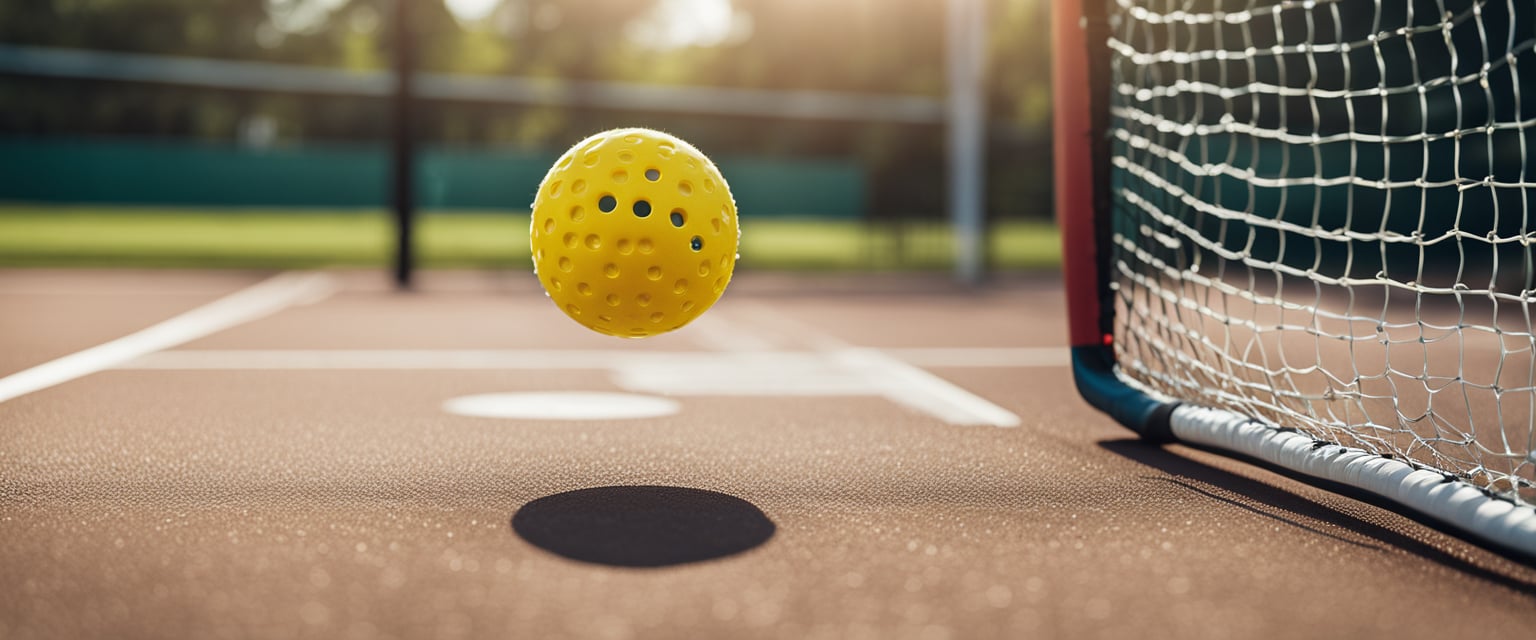
Pickleball balls come in various materials, including plastic and indoor or outdoor options. It is important to choose the right ball for the playing surface.
Other gear to consider include gloves, hats, and sunglasses to protect against the sun and improve visibility.
Overall, selecting the right equipment is essential for success in pickleball.
By considering factors such as paddle material, shoe design, and additional gear, players can improve their performance on the court and enjoy the game to the fullest.
Pickleball Etiquette and Sportsmanship
Pickleball is not just a game. It is a sport that promotes good sportsmanship and etiquette. Players must follow certain Pickleball rules and guidelines to ensure the game is fun and fair for everyone involved.
The Importance of Sportsmanship
Sportsmanship is an essential part of pickleball. It involves respecting your opponents, teammates, and the game itself.
Good sportsmanship means playing the game with integrity, honesty, and fairness. It also means accepting the game’s outcome, whether you win or lose.
Etiquette on the Court
Pickleball etiquette is a set of unwritten rules that players must follow. These rules help promote fair play and ensure the game is played safely and respectfully.
Some of the most important etiquette rules include:
- Stay within the boundaries: Players should always try to keep the ball within the boundaries of the court. The point goes to the other team if the ball goes out of bounds.
- Patience is key: Players should avoid rushing their shots and take their time to make accurate shots. This helps to reduce unforced errors and allows players to play a more controlled game.
- Avoid distractions: Players should avoid making excessive noise, talking unnecessarily, or making distracting movements on the court. This helps maintain the players’ focus and ensures the game is played respectfully.
- Respect the opponents: Players should always respect their opponents, regardless of the game’s outcome. This means avoiding any displays of frustration or anger during the game.
By following these rules and guidelines, players can ensure that the game of pickleball remains fun, fair, and respectful for all involved.
Frequently Asked Questions
What are the basic rules and scoring system for pickleball?
Pickleball is played on a court divided into two halves by a net. The game is played with a paddle and a plastic ball with holes. The game’s objective is to hit the ball over the net and into the opponent’s court without the opponent being able to return it. The first team wins the game to reach 11 points, but the team must win by at least two points.
How should a beginner position themselves on the pickleball court?
Beginners should start by standing in the middle of the court, behind the baseline. As they become more comfortable with the game, they can move to the kitchen line, a non-volley zone that extends 7 feet from the net. The kitchen line is where most of the action takes place in pickleball, and beginners need to learn how to move in and out of this area.
What are the essential shots beginners need to learn in pickleball?
Beginners should focus on learning the basic shots in pickleball, which include the serve, the forehand, the backhand, and the volley. The serve is the shot that starts each point, and beginners need to learn how to serve accurately and with enough power to get the ball over the net. The shots used during rallies are the forehand, backhand, and volley, and beginners should focus on learning how to hit these shots consistently.
What strategies can beginners use to improve their serve in pickleball?
Beginners can improve their serve by focusing on footwork, grip, and swing. It is important to use a consistent motion when serving and to practice serving from different spots on the court. Beginners should also focus on hitting the ball with a flat paddle face and on following through with their swing.
How can beginners develop effective doubles play tactics in pickleball?
Beginners should focus on communication and teamwork when playing doubles in pickleball. It is important to communicate with your partner about who will take which shots and to work together to cover the court. Beginners should also focus on hitting shots that are difficult for their opponents to return, such as shots that are hit to the corners or have a lot of spin.
What are some simple tips for seniors just starting out in pickleball?
Seniors should focus on their footwork and their positioning when playing pickleball. It is important to move quickly and efficiently around the court and to position yourself in a way that allows you to cover the most ground. Seniors should also focus on playing smart shots that don’t require a lot of power and on working on their consistency.


Leave a Reply